
UNI EN ISO 9001:2015
TÜV Italia S.r.l.
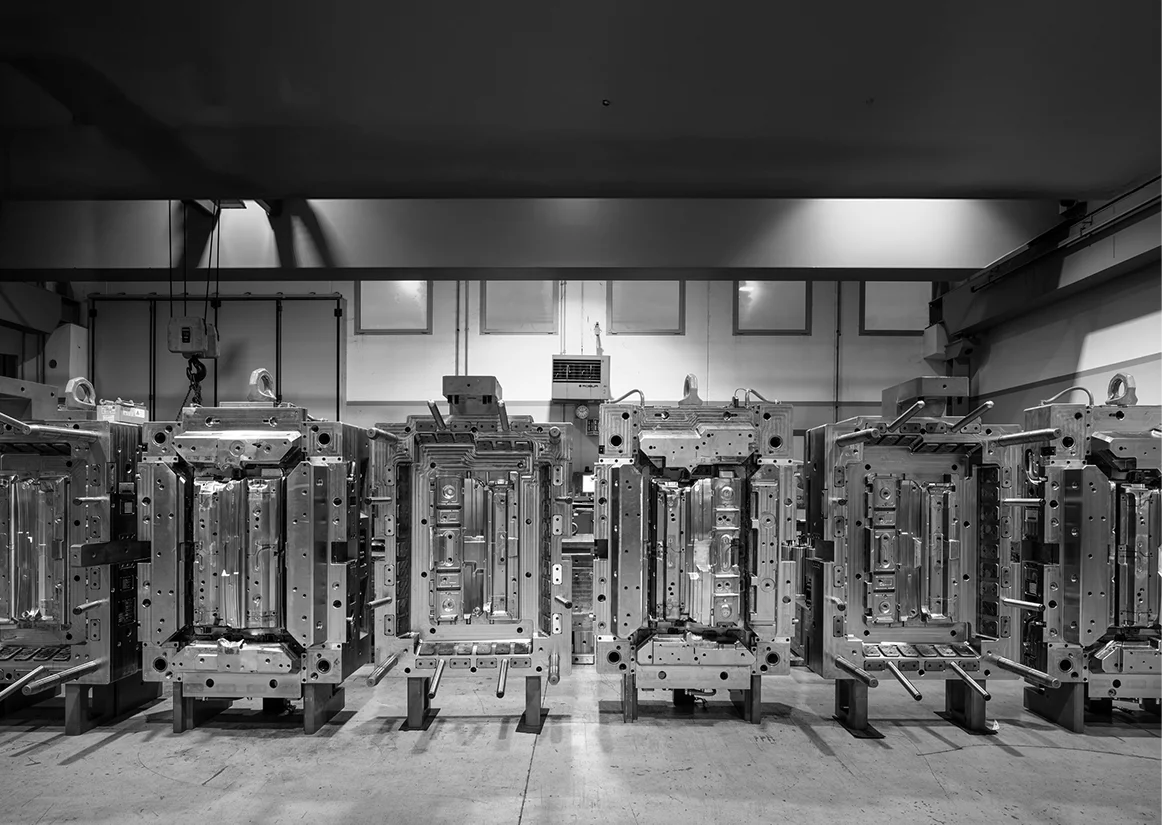
ITALIAN TECHNOLOGY FOR MOULDS
Moulds for metals, thermoplastics and composites. From design to trials, engineering takes shape in the component.
High- and low-pressure casting · Gravity casting · Plastic injection moulding · Compression.
110
production machines and equipment
120
skilled professionals
Use Space to pause or resume. You can also tap or click an empty area of the strip.











INDUSTRIAL CAPACITY
60
110
At least
80
moulds / year
>150
t of steel milled / year
Up to
60
t · maximum mould weight
Up to
1,000
t · compression trials
area
facility area
production surface
1,100
TÜV Italia S.r.l.

TÜV NORD Italia
SQS / IQNet
Find the expertise your component needs: select a process to see the scope, the relevant companies and what is worth evaluating.
Which alloy, component and press does your project require?
High-pressure die-casting tooling with squeeze pins, vacuum and jet-cooling capabilities for filling and solidification control.
Scope and materialsAluminium and light alloys
Component feasibility analysis, metallization and deformation risks, and foundry-process optimization.
2D/3D CAD/CAM/CAE design for cold-chamber aluminium and brass and hot-chamber zamak, with integrated 3D CAD/CAM.
Casting simulation, including work with qualified collaborators. Study scope is agreed for the project.
Milling, drilling and boring for mould manufacture. Heat treatment through specialist suppliers, according to requirements.
CMM dimensional reports, on-machine measurement and preventive sampling. Trial scope and deliverables are agreed per project.
Which component and casting conditions need evaluation?
Low-pressure casting moulds with foundry engineering, casting studies and sampling support within the project scope.
Scope and materialsCasting design and sampling
Tooling development from 2D drawings, 3D models or physical samples within the network’s low-pressure mould offering.
Casting studies and simulation. Application to a low-pressure mould and study scope are defined per project.
Manufacture with CNC milling, turning and EDM capabilities selected for mould geometry and requirements.
Foundry sampling and subsequent support. Low-pressure support is agreed within the supply scope.
Which alloy and internal geometries must the tooling accommodate?
Gravity tooling, chill moulds and core boxes for brass and aluminium, with hot, cold and Cordis solutions.
Scope and materialsAluminium and brass
Technical feasibility analysis and co-design of the component, permanent mould or core box.
Tooling CAD/CAM design and 2D/3D design of aluminium gravity-casting moulds.
Casting simulation for gravity permanent moulds alongside tooling design and sampling preparation.
Manufacture of permanent moulds and core boxes for brass and aluminium, including mould assembly and testing.
Quality control and CMM dimensional reports. Dimensions, tolerances and documentation are agreed for the supply.
Foundry sampling and subsequent support, with prototyping available when the project requires it.
Which thermoplastic, finish and number of materials do you need?
Thermoplastic injection moulds with gas assistance, Class A surface and 2K/3K capabilities.
Scope and materialsThermoplastics · 2K · 3K
Product and moulding-requirement analysis, with co-design and 3D development within the requested scope.
CAD/CAM/CAE engineering and design with Moldflow analysis. Application is defined around the material and project.
Mould manufacture and assembly, with additional milling services for plastics tooling.
Dimensional inspection and CMM reports, with PPAP and Cp/Cpk capabilities. The documentation package is agreed per supply.
Trials, sampling, pre-series and mould repair. Maintenance is planned around project needs.
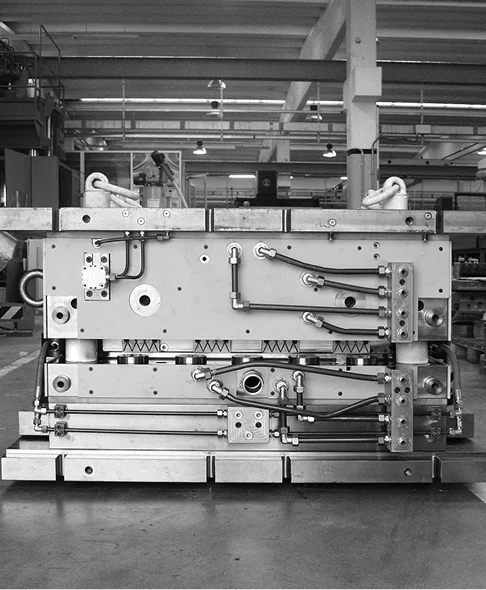
Which compound, geometry and finish does the part require?
Compression moulds for SMC, GMT and LFT, injection-compression moulds for BMC, and cutting tooling for composites.
Scope and materialsSMC · BMC · GMT · LFT
Development of compression moulds for SMC, LFT and GMT, plus BMC injection-compression tooling, with tooling analysis and design.
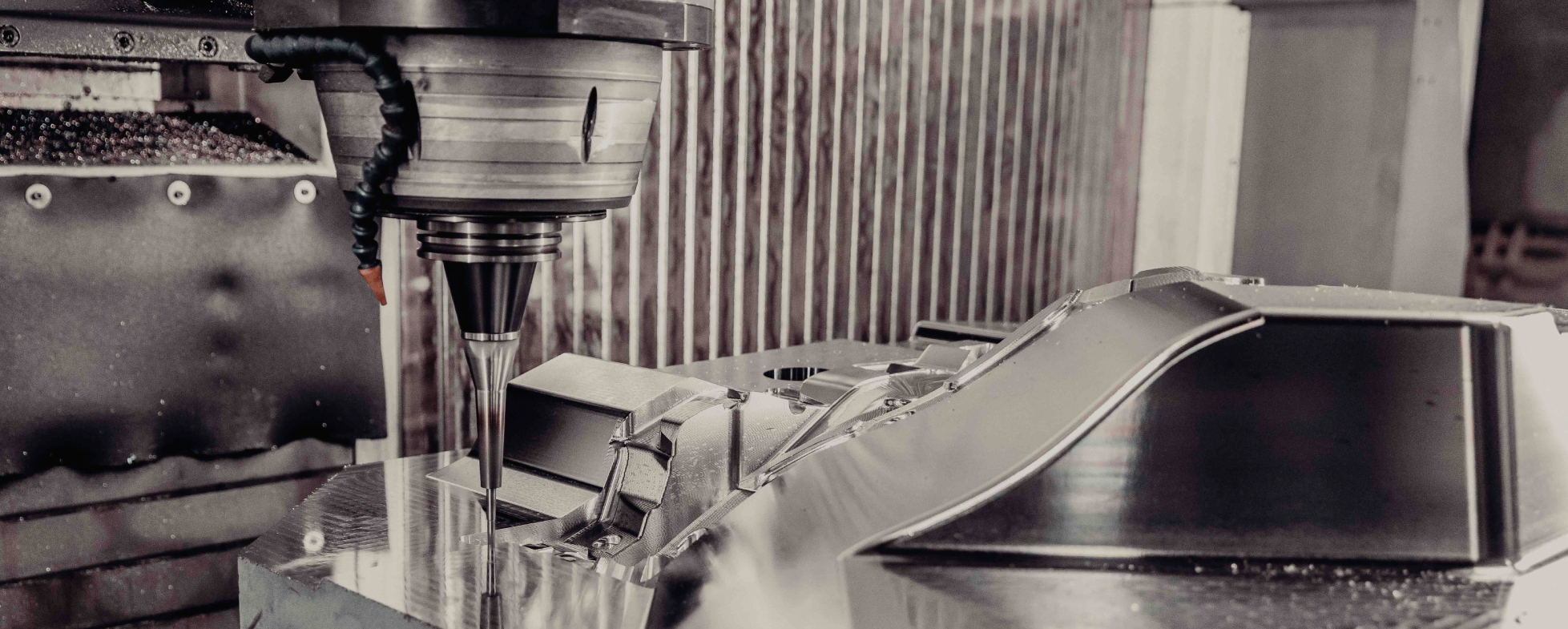
Manufacture and assembly using multi-axis milling and EDM according to the mould design.
Mould dimensional inspection and checking fixtures. Reports and acceptance criteria are agreed for each project.
Compression trials with capacity up to 1,000 t. The trial plan is defined for each mould.
Sampling, pre-series, trials and mould maintenance: capabilities selected according to project scope.
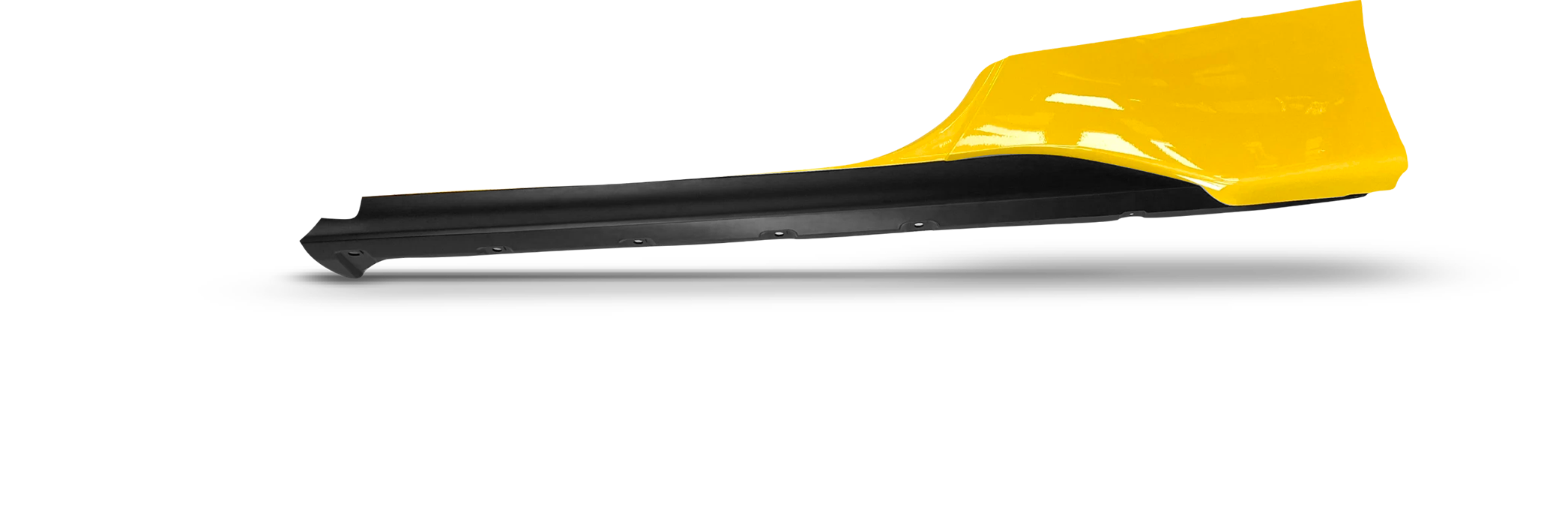
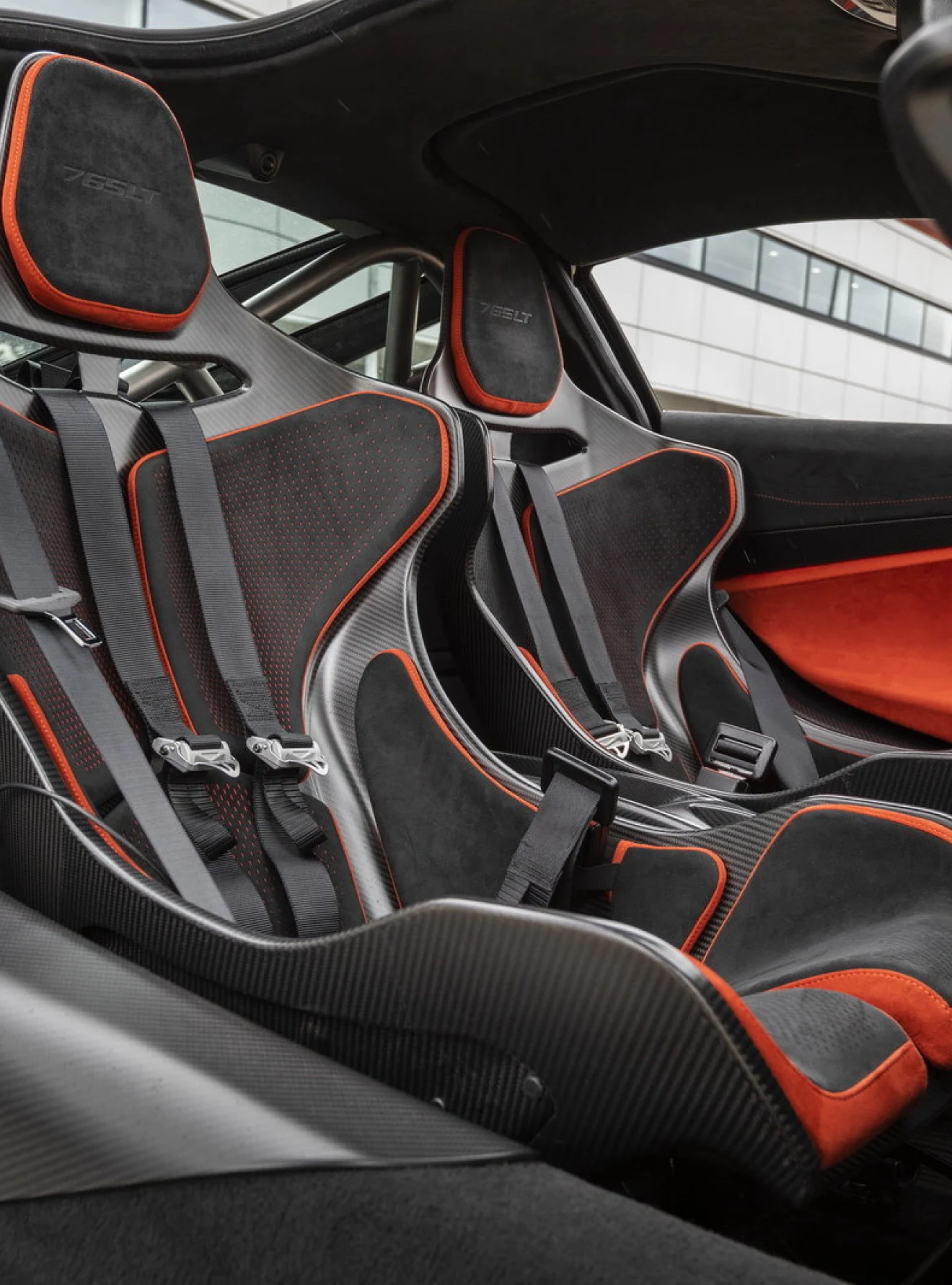
Porsche Macan · Mercedes G-Class · Kartell
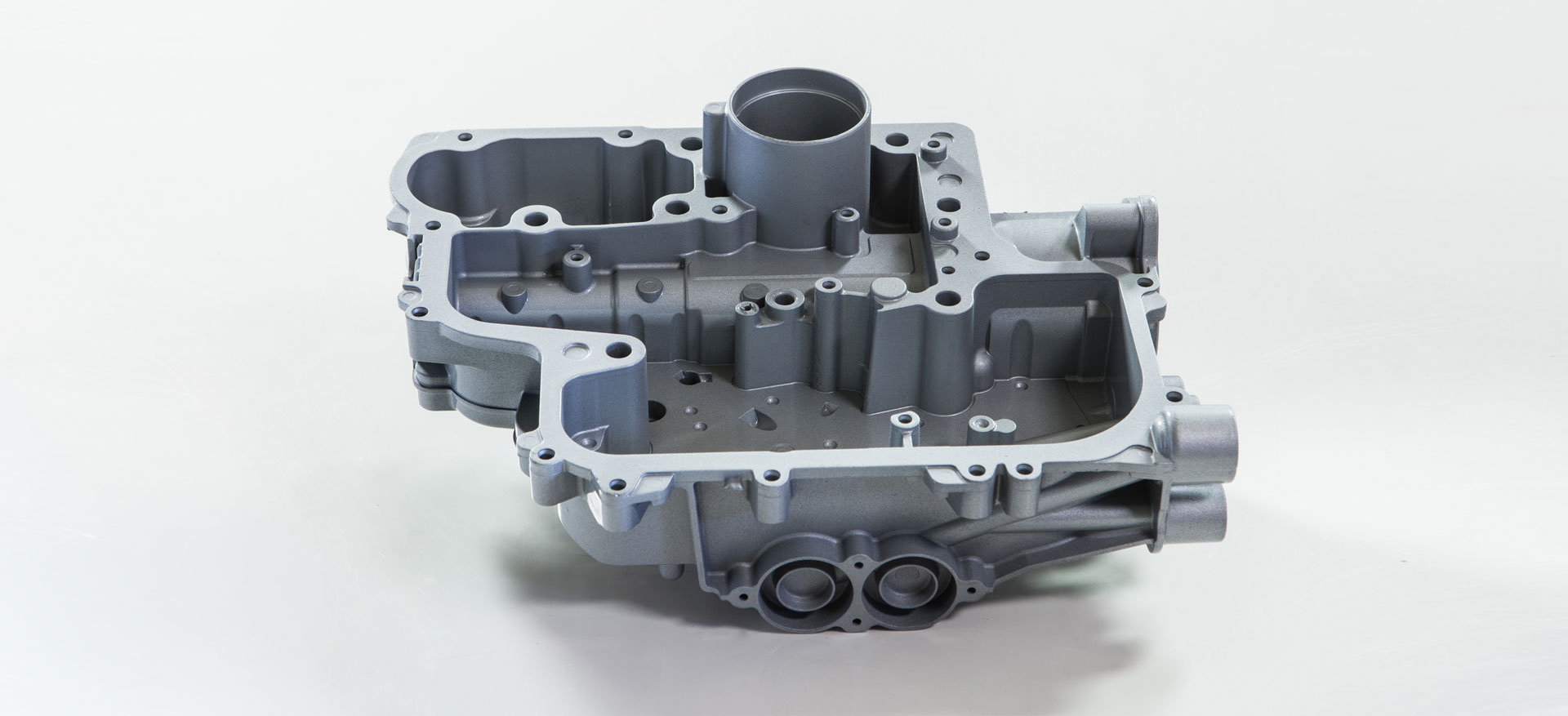
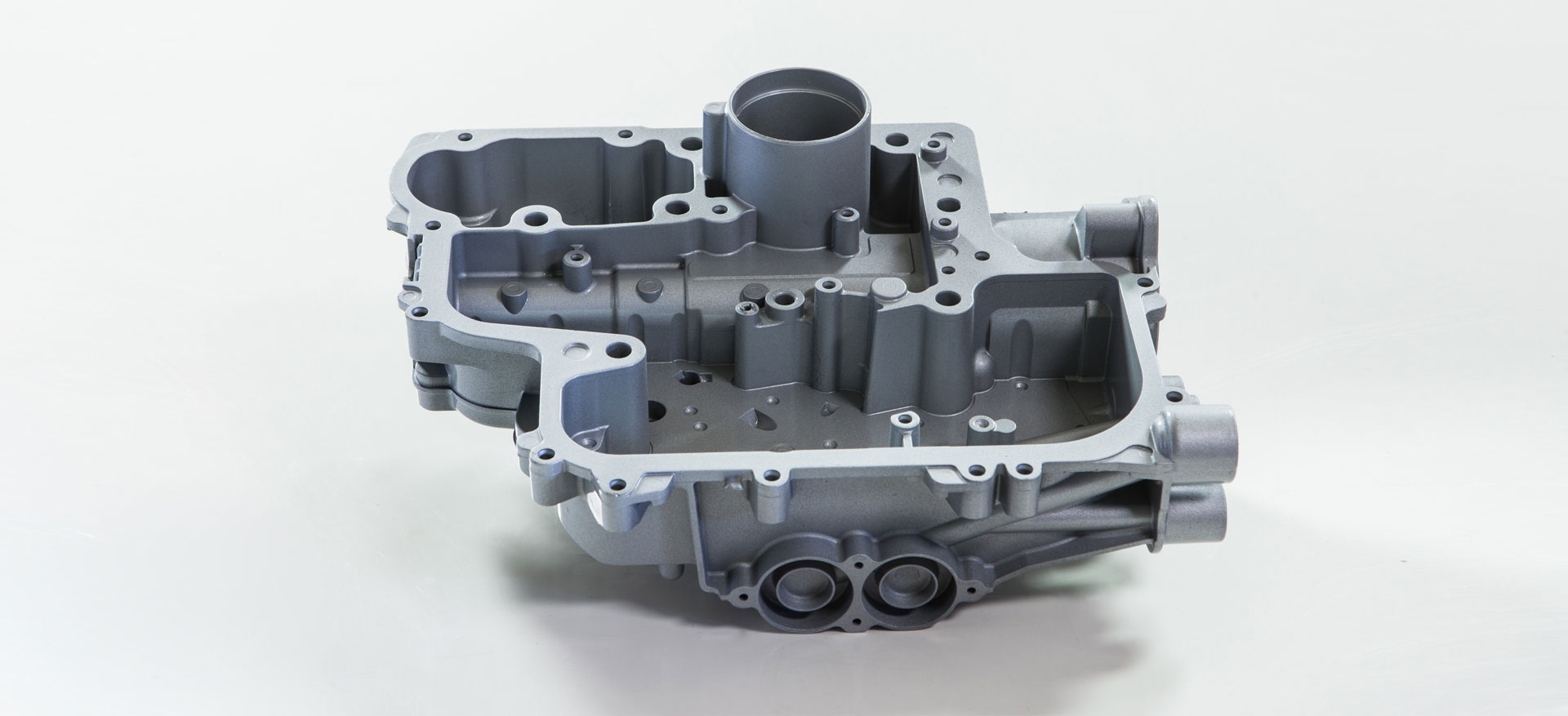
Silafont 36 transmission housing, 670 × 350 × 340 mm. High-pressure die casting on a 2200 t machine.
ENGINEERING · BEFORE THE FIRST CUT
From material behaviour to the final dimension. Design, simulation and metrology working together to take your component into production.

CASTING SIMULATION
Casting studies help assess filling and solidification. They make it possible to review the feeding concept and identify critical areas before the tooling is manufactured.
Foundry engineering and specialist support connect the simulation with actual sampling conditions.
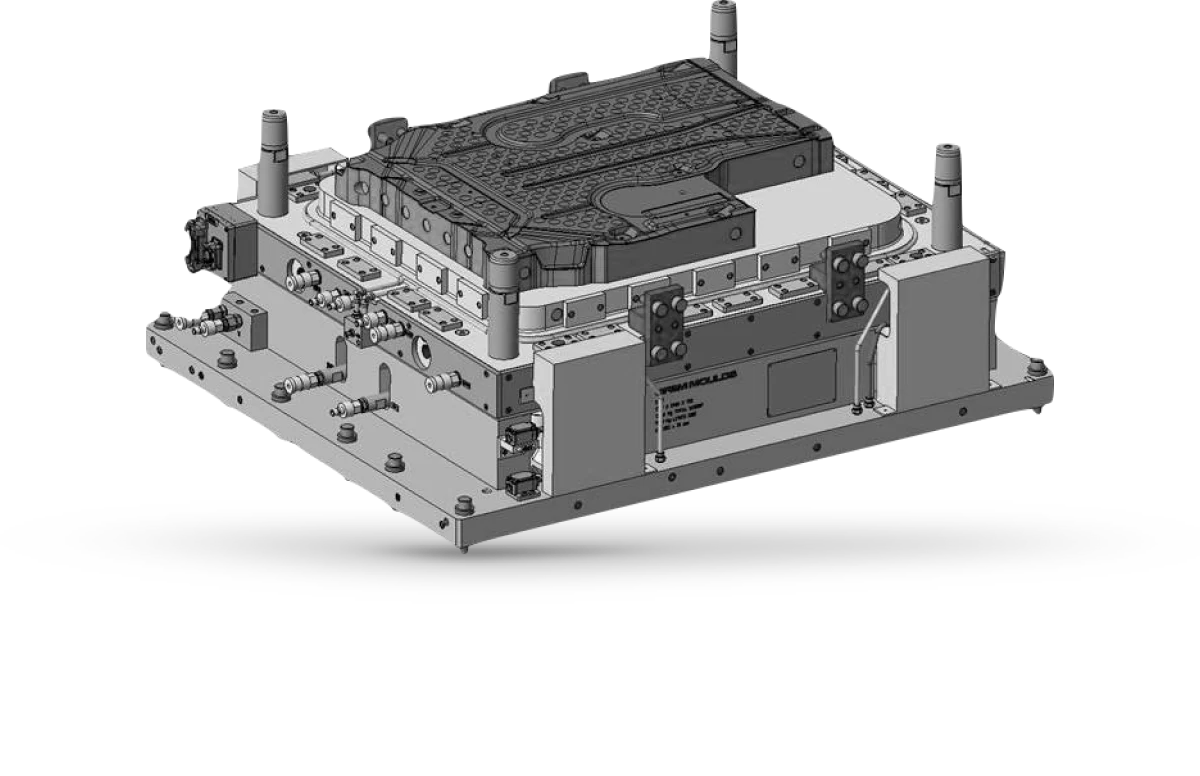
MOLDFLOW · INJECTION
Plastic-flow analysis helps study cavity filling and evaluate mould-design decisions. Geometry and material are reviewed together.
A technical basis for discussing injection points, material flow paths and potential filling difficulties.
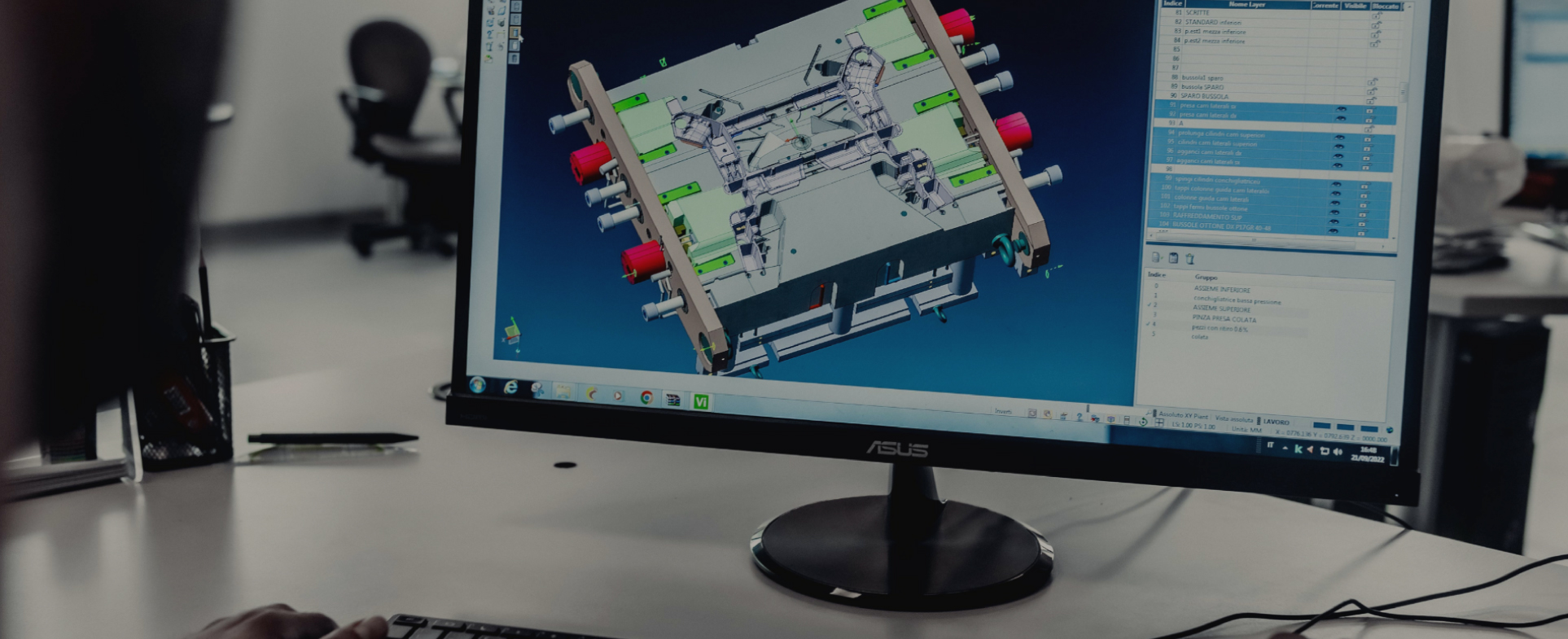
CAD DESIGN
We work from 2D drawings, 3D models or physical samples to develop cavities, cores and assemblies. Co-design connects the component’s function with its manufacture.
VISI is among the design systems available across the network. The model provides a reference for subsequent operations.
CAD / CAM PROGRAMMING
Programming prepares roughing and finishing operations, tool access and machining strategies around the part, its material and the selected machine.
PowerMill, hyperMILL and Tebis are among the programming tools used across the network.
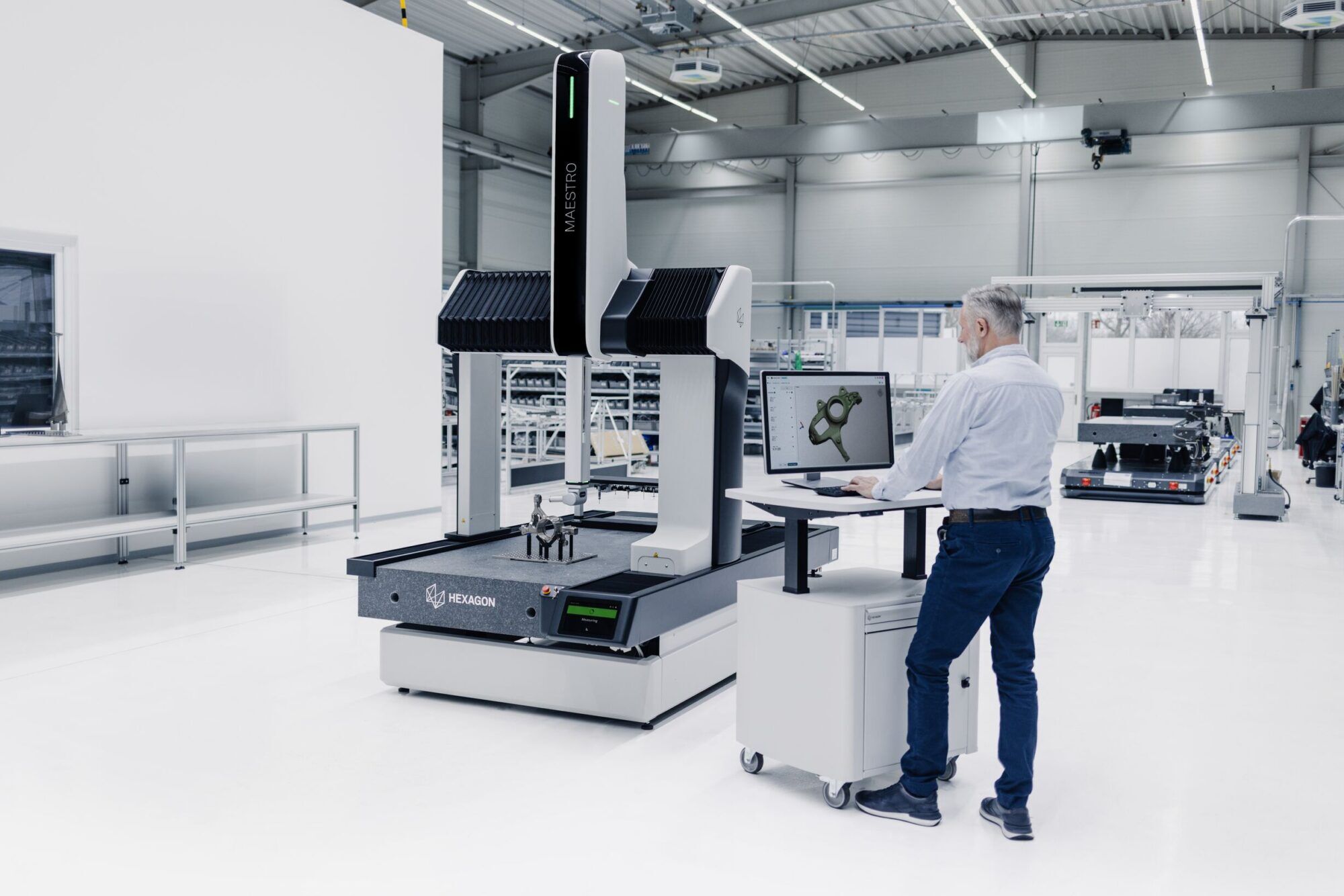
METROLOGY ROOM
Coordinate measuring machines check dimensions and surfaces against the drawing. Inspection provides useful information for adjustment and component acceptance.
2 HEXAGON Global CMMs and dimensional reports prepared around the dimensions and tolerances required by the project.
3D SCANNING
A measuring arm with a laser-scanning head captures surfaces for inspection and reverse engineering. It is particularly useful when the starting point is a physical part.
A 7-axis FARO arm supports measurement and acquisition; model reconstruction is defined around the job.
A technical route to define with the company that will build your mould.
Define the component and process
Start with function, material, geometry and expected volumes. Include any points that remain open.
Assess mould feasibility
Match manufacturing resources to component requirements and define the studies, operations and trials needed.
Agree supply and validation
With the responsible company, define technical and commercial scope, acceptance criteria, documents and contractual terms.
Complementary specialisms in mould design and manufacture. Explore each company’s processes, materials and capabilities.
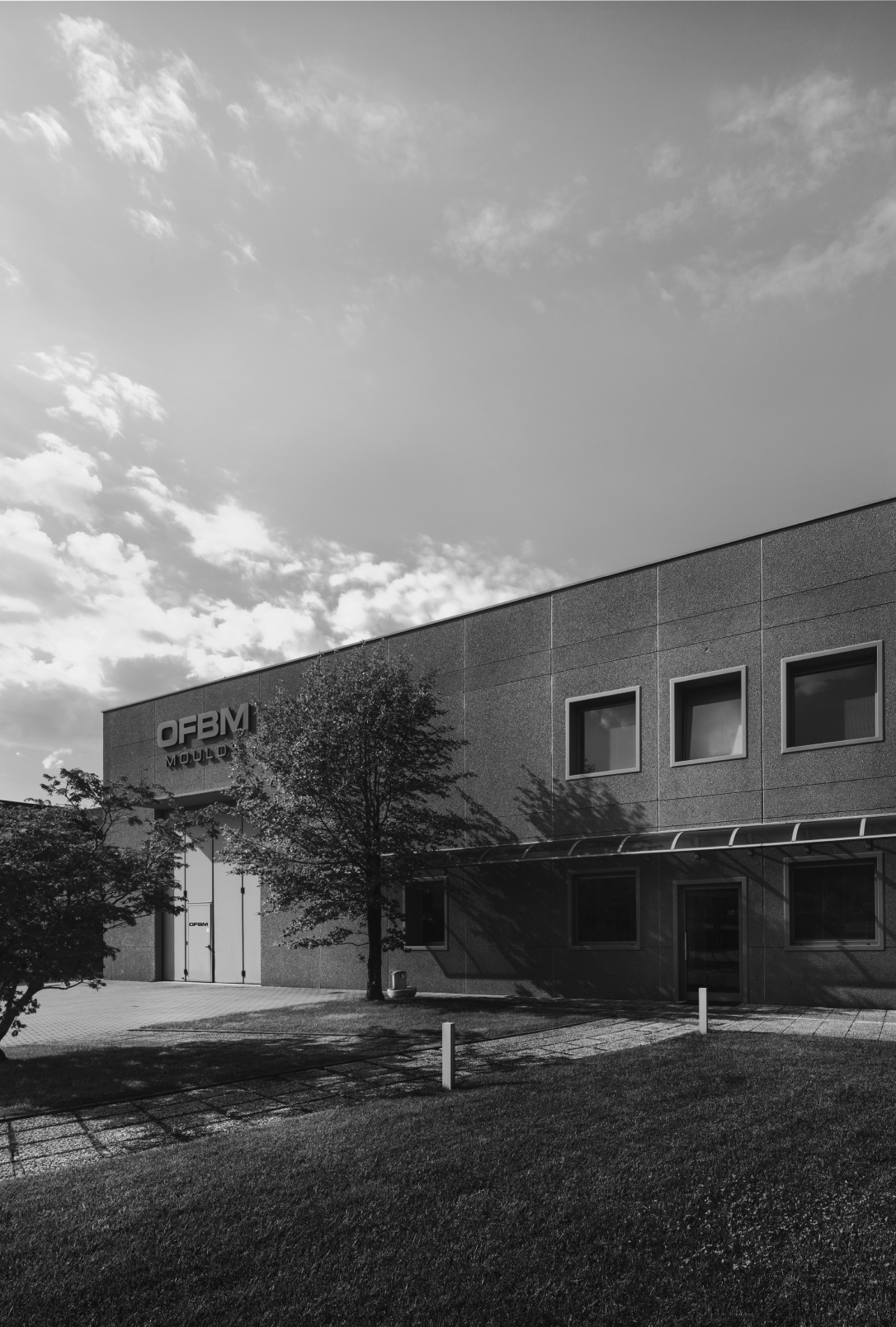
Italian specialist in injection and compression moulds for thermoplastics and composites. It designs and builds medium and large tooling, with a Class A finish and gas assistance.
Useful questionDoes your part need a Class A finish or a 2K/3K variant? Describe it to assess the mould.
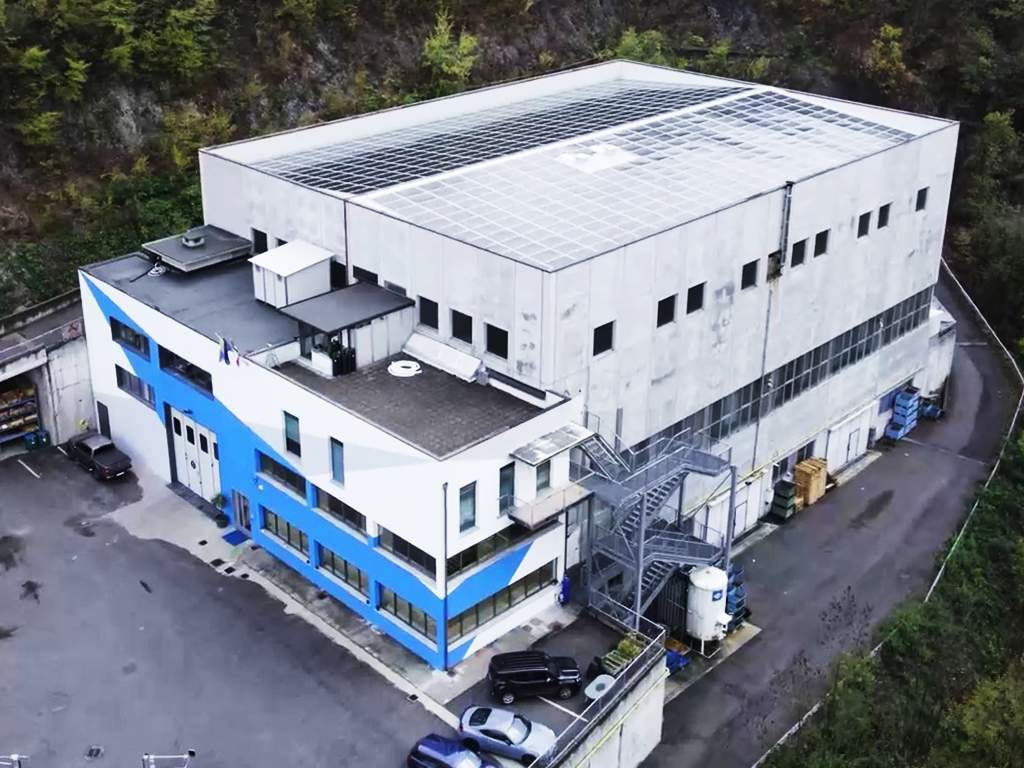
It integrates mould design, construction, metrology and maintenance. It works on light-alloy die casting, plastic injection moulding and aluminium gravity casting.
Useful questionDo you need to define critical dimensions, sampling or mould maintenance? State it to agree the control plan.
CMM
Hexagon dimensional control
It has built high-pressure die-casting moulds since 1976, with foundry engineering and process control. It applies squeeze pins, vacuum and jet cooling for process control.
Useful questionWhich alloy, component and press define your project? Share them to assess the HPDC mould.
Squeeze pins
vacuum and jet cooling

A maker of chill moulds and core boxes since 1978 for gravity casting of brass and aluminium. It also offers milling for injection moulds and dies.
Useful questionWhich internal geometry must the core boxes accommodate? Describe it to assess the tooling.

Patternmaking and foundry moulds since 1985. It develops gravity chill moulds, low- and high-pressure moulds and hot, cold and Cordis core boxes.
Useful questionAre you starting from a 2D drawing, a 3D model or a physical pattern? State it to plan the mould and sampling.
Describe the project to prepare a clear enquiry. Review, copy or download it locally before sharing it with the right company.
Alessandro OlmiExport Area Manager LATAM+39 347 7524229Technical inputs, confidentiality, validation and delivery: what to define before supply.
Start with the process, material and function of the component. The technology and company sections let you compare high-pressure casting, low-pressure casting, gravity, injection and compression specialisms. Then prepare an enquiry with geometry, dimensions, press, volumes and critical features. Feasibility, technical and commercial scope, and contractual responsibility are agreed with the selected company; capability in the same process does not mean every configuration will suit your mould.
This version prepares a summary in your browser and lets you copy it or download a .txt file. The summary is not transmitted to the companies, and the demonstration contact does not receive messages. After reviewing the details, share the document through an official contact at the company you want to approach. The site does not save the personal details you enter; the downloaded file stays on your device.
A non-confidential description is enough to prepare the enquiry: part function, process, material, approximate size and project objective. Before sending drawings, CAD models, specifications or sensitive information, agree the channel and confidentiality terms with the receiving company, including an NDA if required. This demonstration form does not accept CAD files. State that technical documents are available without putting confidential information in the description.
Agree acceptance criteria before ordering: dimensions and tolerances to inspect, trial material, process conditions, samples and required documents. The plan may include dimensional checks, CMM reports, mould trials and sampling, according to the available capabilities and supply scope. Also define milestones, review points, who approves changes and how repeated trials are handled. Required documentation, including PPAP or Cp/Cpk analysis where applicable, must be expressly agreed.
The website and technical sheets are available in Italian, Spanish, Portuguese and English. You can prepare the summary in your preferred language and use the same fields to describe process, material and requirements. Before starting technical discussions, confirm the working language for drawings, revisions, trial reports and commercial documents with the company. The website translation does not automatically determine the language of contractual documents.
The proposal should specify packing, transport, insurance, customs procedures and delivery destination, with each party’s responsibilities. Agree how the mould and accessories will be protected and handled, which spare parts and documents travel with them, and whether work at your plant is required. The network includes mould maintenance and repair capabilities; availability, service location, timing and cost are defined with the responsible company. Local support in Mexico or Latin America should not be assumed to be included.
Ask for a proposal that separates engineering and simulation, manufacture and components, treatments and finishes, trials and trial materials. Check how many revisions and sampling rounds are planned, how changes after approval are priced, and which inspection documents are included. Compare spare parts, packing, transport, insurance, duties and any start-up support as well. To assess different offers, use the same supply scope, acceptance criteria, payment terms and delivery conditions.
The capabilities shown help frame the assessment, but the schedule must be checked for the specific mould. Provide the model or dimensions, expected weight, materials, operations, trials and target date; state whether this is a new mould, a modification or maintenance. The company must confirm resource availability, dependencies on technical approval and purchased components, validation milestones and logistics timings. If storage or phased shipments are needed, agree space, duration, handling and the relevant terms.